Choose Fish Knife for Filleting
Premium Fish Trimming Knives: Our 2026 Consumer Guide
Picking the right filleting knife is vital for any angler aiming to sharpen their fish preparation skills. The choice rests on several factors, including blade material, handle comfort, and overall flexibility. Each element plays a major role in delivering precision during filleting. As anglers explore various options, understanding the balance between budget and premium choices becomes critical. What features should one target to guarantee an superior fishing experience? The answer lies ahead.
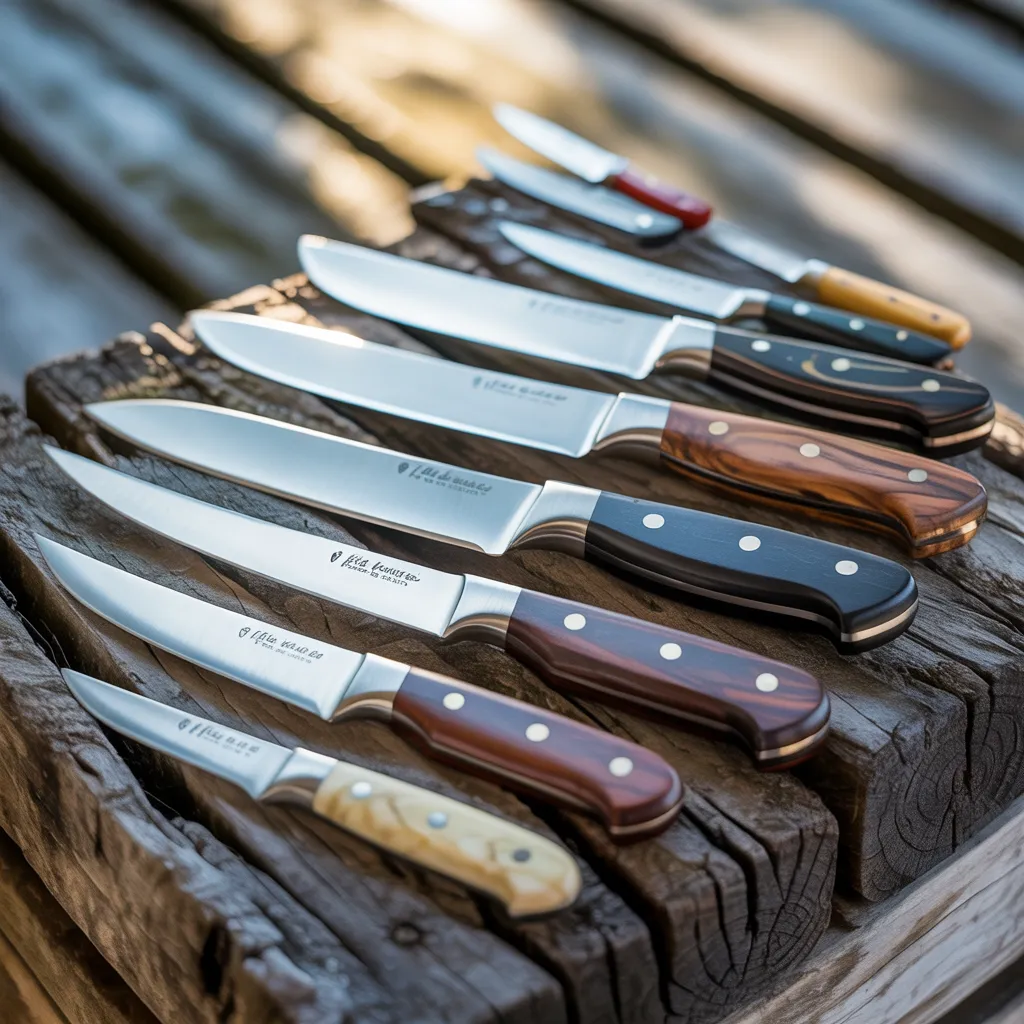
The Value of a Quality Filleting Knife
A high-quality filleting knife can greatly enhance the experience of cooking fish. The precision and sharpness of a finely constructed knife facilitate smooth, easy cuts, reducing the likelihood of injuring the sensitive flesh. This productivity not only reduces time but also yields a more aesthetically pleasing appearance, whether for a informal meal or an fancy dish.
Furthermore, a good filleting knife delivers superior control, enabling the user to navigate around bones and skin with ease. This control is important for both beginner chefs and seasoned chefs, assuring that each fillet is cut perfectly. Additionally, the right filleting knife can reduce the physical strain on the user, turning the process more enjoyable.
Investing in a high-quality fillet knife eventually enhances the whole fish preparation experience, transforming what could be a cumbersome task into a rewarding culinary endeavor.
Key Attributes for Finding the Ideal Filleting Knife
Assessing a fillet knife involves considering multiple important elements. The material of the blade, the ergonomics of the handle, and the available flexibility and length possibilities play a major role in satisfaction and results. Learning about these variables may help people in selecting wisely according to their particular requirements.
The Blade Material Has Significance
Determining the right fish filleting knife is heavily influenced on the blade material, which impacts performance and durability. Widely used options include stainless steel, high-carbon steel, and ceramic. Stainless steel is well-liked for its resistance to deterioration and straightforward maintenance, making it well-suited for consistent application in wet environments. High-carbon steel, while demanding meticulous care to ward off oxidation, provides superior cutting edge and edge retention, proving attractive to those who emphasize accuracy. Ceramic blades offer remarkable sharpness and are relatively light, but they can be delicate and harder to sharpen. Ultimately, grasping the characteristics of these materials supports consumers in determining a filleting knife that meets their specific needs, ensuring an effective and gratifying fish preparation experience.
Comfort is the most important factor in handling your device
When choosing a fish filleting knife, many elements come into play, yet handle comfort stands out as an indispensable factor. A well-designed handle can significantly affect the filleting experience by providing better control and precision. Anatomic designs that match the hand's contours reduce strain during prolonged use, facilitating delicate cuts. Materials such as rubber, wood, and textured plastics provide different degrees of grip and comfort. A secure grip prevents slipping, improving safety while handling sharp blades. Furthermore, the handle's size is crucial, as it should accommodate various hand sizes to guarantee maximum performance. Ultimately, a comfortable handle can convert filleting from a chore into a more pleasurable and efficient task.
Flexibility and Length Alternatives
A well-designed handle creates the foundation for successful filleting, but choices in flexibility and length are just as crucial when selecting the right knife. The bend of a filleting knife enables movement around bones and fish contours, enhancing precision. A more bendable blade is ideal for delicate fish, whereas a stiffer blade fits larger species. Length is another important factor; shorter blades allow for detailed handling of fine cuts, while longer blades enable swift, long cuts. Filleting knives generally measure between 6 and 9 inches, serving various fish sizes and filleting styles. Ultimately, the right mix of flexibility and length improves the filleting experience, ensuring both efficiency and high standards in the final product.
Top Cutting Options for Longevity and Efficiency
The best fish filleting knives frequently feature blades constructed of certain materials that elevate both functionality and strength. High-carbon stainless steel remains a favored option, celebrated for its balance of hardness and oxidation resistance. This material preserves a sharp edge while withstanding the rigors of frequent utilization in both fresh and saltwater environments.
Another notable option is ceramic, which provides exceptional sharpness and retains its edge longer than steel. However, ceramic blades can be more brittle, making them less appropriate for heavy-duty tasks.
Titanium-coated stainless steel is also catching on, providing boosted resistance to wear and corrosion while upholding the lightweight qualities of traditional stainless steel.
In the final analysis, blade material greatly impacts the knife's effectiveness and longevity, making it vital for anglers to choose the correct type matched to their specific filleting requirements.
Selecting Comfortable Grips for Fillet Knives
What role does the grip of a fillet knife have in the overall satisfaction of anglers? The handle serves an important function for delivering convenience and control during the act of filleting. A well-crafted handle offers a tight hold, decreasing the chance of slippage, mainly when the knife becomes wet. Materials like elastomer, wood, or synthetic composites can boost coziness, featuring ergonomic shapes that match the natural curves of your hand.
Anglers should weigh the load and equilibrium of the knife; a lightweight handle can ease fatigue during prolonged use. Patterned surfaces can also present superior grip, while the handle's span should work with different hand dimensions. In the final analysis, a comfortable handle enhances precision and makes the task more pleasurable, allowing anglers to concentrate on the quality of their filleting rather than battling against an cumbersome knife. Putting effort into selecting the right handle can significantly improve the overall filleting experience.
Top 2026 Selections: Best Fish Filleting Knives for Every Angler
When picking the ideal filleting knife, anglers can reap rewards from a selection of top-rated options available in 2026, each catering to different preferences and needs. Among the premier choices, the Rapala Classic Fillet Knife offers a bendable blade that excels in precision, making it a favorite for both novices and seasoned fishers. For those pursuing durability, the Bubba Blade series features a stainless steel construction and non-slip grip, ensuring safety and efficiency during use.
Meanwhile, the Dexter-Russell Narrow Fillet Knife is celebrated for its exceptional sharpness and control, perfect for intricate filleting tasks. Anglers looking for versatility may prefer the Morakniv Fishing Knife, which combines a sturdy design with a comfortable handle. Overall, these selections showcase the best in 2026, giving anglers with reliable tools tailored to enhance their filleting experience.
Looking after Your Filleting Knife for Extended lifespan
Maintaining a filleting knife is essential for ensuring its effectiveness and longevity. Consistent honing methods help to maintain the blade's edge, while appropriate storage practices protect it from harm. Together, these techniques can greatly enhance the knife's performance over time.
Routine Edge Maintenance Techniques
Regularly honing a filleting knife is essential for ensuring peak functionality and longevity. A dull blade not only makes filleting more difficult but also increases the risk of accidents. For optimal outcomes, a combination of sharpening and honing techniques is recommended. Realigning, typically done with a honing rod, realigns the blade's point and should be performed after each use. Sharpening, on the other hand, can be accomplished using whetstones or electric sharpeners and should be done regularly, depending on usage frequency. It is important to maintain the correct angle while sharpening, typically around 15 to 20 degrees for filleting knives. Regular sharpening
Effective Storage Approaches
Proper storage of a filleting knife plays a significant role in its longevity and performance. Storing the knife in a marked knife block or magnetic strip not only protects the blade from wear but also prevents accidental cuts. A protective sheath can be employed for extra safety, especially when placing knives in drawers. It is crucial to keep the knife dry and clean before storage to stop rust and corrosion. For those who regularly use their filleting knife, a dedicated drawer with dividers can help maintain order while allowing quick access. Regularly monitoring the storage conditions for humidity can extend the knife’s lifespan, helping maintain its efficiency over time.
Economy versus Premium Filleting Knives
When considering fish filleting knives, the choice between budget and premium options considerably impacts both results and user experience. Budget filleting knives often display simpler materials, bringing about less sharpness and durability. They may be worthwhile for occasional users or those new to filleting, as they provide basic functionality at an economical price. However, the user may feel limitations in precision and comfort.
By contrast, high-end fillet blades are manufactured from better-quality materials, delivering exceptional edge retention and keener blades. These knives are designed for both professional chefs and serious enthusiasts, permitting for cleaner cuts and more efficient filleting. The anatomically designed handles often strengthen grip and reduce strain during lengthy use. While the upfront cost is substantial, the enduring benefits, encompassing durability and performance, can support the investment for dedicated users. Ultimately, the choice copyrights on the person's needs, frequency of use, and spending constraints.
Regularly Asked Questions
May I Use a Filleting Knife for Different Kinds of Meat?
A filleting knife can be used on other types of meat, but its construction is optimized for fish. Users may discover it less effective on tougher meats, where sturdier knives are typically more suitable.
How Frequently Should I Hone My Filleting Knife?
A filleting knife must be sharpened regularly, ideally after every few uses or whenever it feels dull. Proper care delivers excellent performance, enabling clean cuts and an rewarding filleting experience. Uniformity is key.
What Size Fillet Blade Is Best for Beginners?
A filleting knife sized at 7 to 9 inches is ideal for beginners. This size strikes a balance between maneuverability and precision, making it less difficult to handle fish without taxing the novice user.
Do Electric Filleting Knives Make for a Worthwhile Purchase?
Electric fish knives can be a worthwhile purchase for those seeking speed and convenience. Their speed and consistent cuts streamline the filleting technique, rendering them perfect for both novice and experienced fishers striving for precision.
Where Can I Locate Replacement Blades for My Filleting Knife?
Fishing outlets, online retailers, and explore the details brand websites sell replacement blades for filleting knives. To ensure peak performance during use, confirm compatibility with the specific knife model.